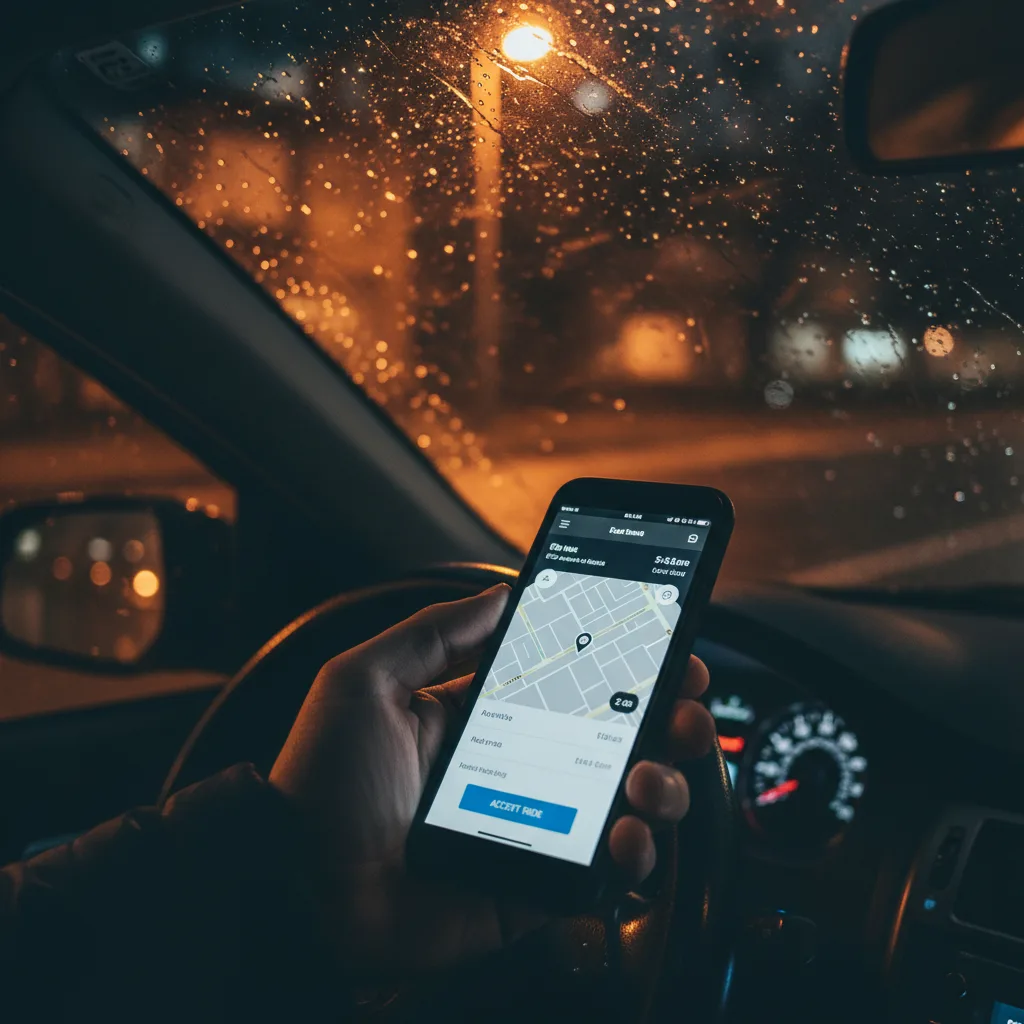
You are in the office on a Wednesday afternoon. One of your drivers comes in, drops a tenner in frustration on the desk, and says the last three jobs off the app paid him eighteen quid total. He has been out for two hours. You nod because you have heard it before, and you look at the week’s figures and realise roughly a quarter of every app job is going to a company you have never met.
That is the quiet cost of running a UK taxi firm on Uber, Bolt, or FreeNow. Not the fuel, not the insurance, not even the surge gouging that annoys the passenger. The commission. The slice that goes off the top of every fare before a driver has paid for their diesel.
This post is the honest margin maths. A £10 app job against a £10 direct booking, fully costed. Then the same numbers across a 40-hour driver week, a year, and a ten-car fleet. The point is not that the apps are evil. The point is that the numbers add up quickly, and most firm owners have never put a pen to them.
What the Big Three Actually Take
Published commission rates move around by city, product, and partner deal. Here is the sensible middle of the range for UK private hire work in 2026. These are the figures firm owners tell us when we ask, and they line up with the public reporting on the gov.uk taxi and private hire statistics and the usual trade press.
| Platform | Typical commission | Fleet partner terms |
|---|---|---|
| Uber | 25 percent, can be 20 to 30 percent by market | Around 15 percent on fleet plans in some regions |
| Bolt | 15 to 20 percent | Around 12 percent on volume deals |
| FreeNow | 12 to 17 percent | Around 10 to 12 percent on hackney plans |
| Direct booking | 0 percent commission | About 1.5 percent card fee on paid bookings |
So on an average Uber job in the UK, a quarter of the fare is gone before the driver has pulled out of the rank. On a direct booking through your own site and phone line, your cut is zero and your card processor takes roughly a penny and a half on every pound paid by card.
One £10 Job, Two Ways
A tenner is the boring average local fare. Short hop, local supermarket to home, school run. Here is what each version puts in the driver’s pocket before fuel, cleaning, and your own firm’s cut.
| Line item | Uber £10 job | Direct £10 job |
|---|---|---|
| Fare in | £10.00 | £10.00 |
| Platform commission | -£2.50 | £0.00 |
| Booking fee passed to driver | -£0.00 to -£0.50 | £0.00 |
| Card processing (1.5 percent) | Already netted by Uber | -£0.15 |
| Left with driver or firm | £7.00 to £7.50 | £9.85 |
The gap is roughly £2.35 to £2.85 per job. It does not sound dramatic on a single fare. Now run it out across a real shift.
A 40-Hour Driver Week
Pick a fairly typical UK private hire driver doing 40 hours, 48 weeks a year (allowing for holiday, sickness, and MOT days). Assume an average of 15 jobs per shift at that £10 average. That is 75 jobs a week and roughly 3,600 jobs a year.
| Figure | All-Uber driver | All-direct driver |
|---|---|---|
| Jobs a year | 3,600 | 3,600 |
| Average fare | £10.00 | £10.00 |
| Gross fares | £36,000 | £36,000 |
| Commission or card fees | -£9,000 | -£540 |
| Net take | £27,000 | £35,460 |
The delta per driver per year is about £8,460. That is a very real number. It is a set of tyres, an insurance renewal, a holiday, or a fifth of a new vehicle. In plain English, a driver who works direct for 48 weeks pockets the difference between “keeping the lights on” and “actually getting ahead”.
Now Scale to Your Fleet
One driver is an illustration. A firm is a fleet. Multiply across the typical sizes we see in the business.
| Fleet size | Annual commission given up (all-app) | Kept by going all-direct |
|---|---|---|
| 5 vehicles | £45,000 | £42,300 |
| 15 vehicles | £135,000 | £126,900 |
| 30 vehicles | £270,000 | £253,800 |
| 50 vehicles | £450,000 | £423,000 |
This is the headline most firm owners have never sat down and worked out. A 30-car firm is giving away around a quarter of a million pounds a year to a platform if every single job is an app job. Even if only a third of your work is on the app, that is still £80,000 to £90,000 a year walking out the door. That is a second dispatcher, a full marketing budget, or two apprentice drivers.
The Fair Counter-Argument
We are not pretending the apps bring nothing to the table. They do three things that a firm owner has to respect.
- Top-up work. When your own phone has gone quiet at 2pm on a Tuesday, an app job is better than an idle car. A tenner with 25 percent off the top is still £7.50 of fuel that was not moving.
- New passengers. Uber and Bolt put your car in front of tourists, students, and people passing through town. None of these would have found your firm otherwise.
- Payment handling. They take care of card fraud, chargebacks, and driver payouts. That is a real admin burden they are carrying.
Nothing in this post says do not use them. The point is know what they cost. Apps are good for filling gaps. They are poor for running your business on.
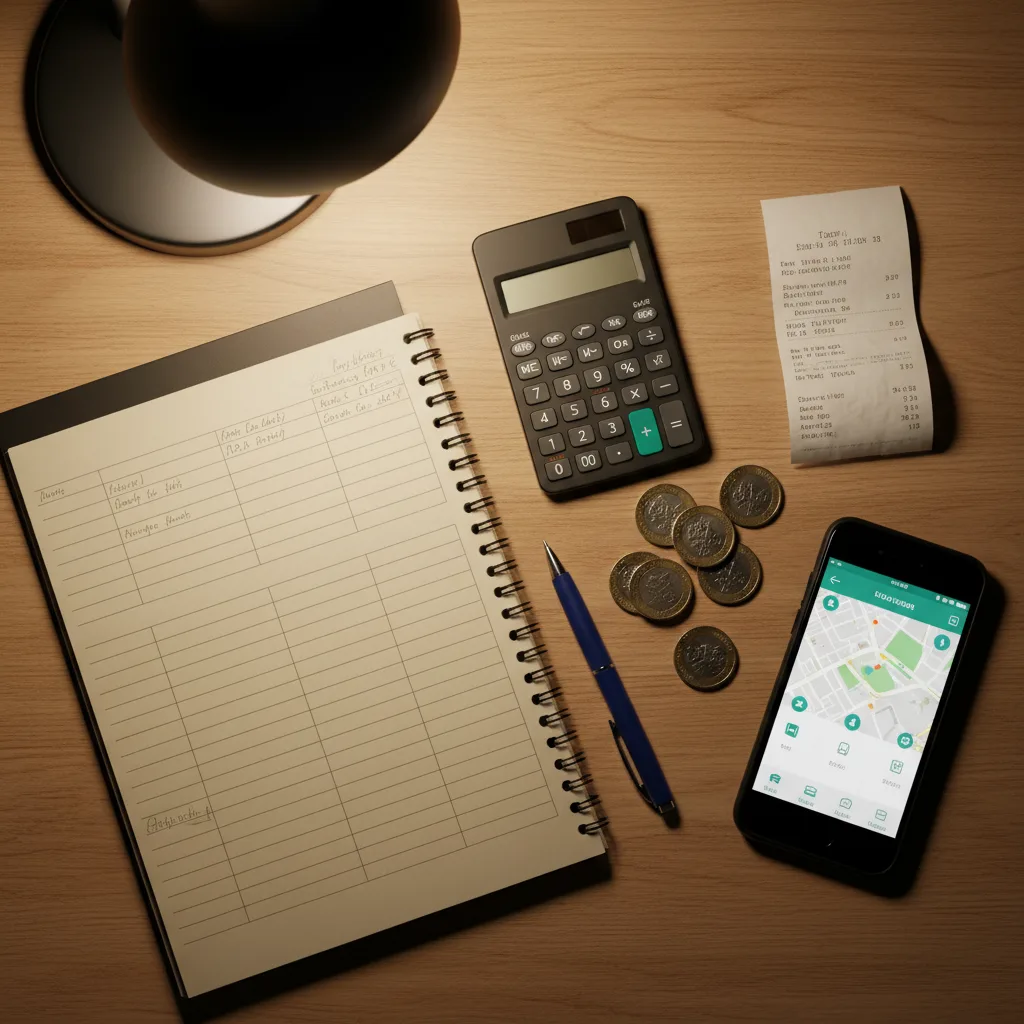
What You Could Do With an Extra £8,000 Per Driver
This is the reframe that matters. It is not “apps bad, direct good”. It is what a recovered £8,000 per driver per year actually buys. Take a 15-car firm that manages to move half its work from apps to direct over 12 months. That is around £60,000 back in the business.
- Pay drivers more. A 5p per mile uplift on direct jobs. Suddenly the in-house rate beats the app rate and your best drivers stop disappearing.
- Buy two new saloons. Either on finance with room to spare, or outright on a three-year-old Skoda.
- Hire a second dispatcher. The one who covers weekends properly so you are not working every Saturday until midnight.
- Fund a full year of marketing. Our own Local SEO starts at £49 a month and Google Ads management starts at £99 a month. That is a £1,800 to £3,600 line item that pays for itself in one month of recovered commission.
You do not have to do all four. You have to pick one and commit. That is where the maths becomes a business decision and not a Twitter rant.
How Firms Actually Move Work From App to Direct
Nobody flips the switch overnight. The firms that pull it off do three things over about six months.
- Fix the website so it actually takes bookings. Fare calculator, fixed airport quotes, mobile-first, dispatch handover to iCabbi or Autocab. If you are not sure what a good one looks like, our taxi website design page is the short version.
- Rank for the town. Most firms do not come up on page one when someone searches “taxi” plus their home town. The local SEO for taxi firms guide walks through the fix. It is largely Google Business Profile, location pages, and reviews.
- Cut taps on the booking form. Get the booking journey down to three taps and conversions double. The teardown lives at three taps to booked.
The point of these three is simple. The app work sits on a phone the passenger already has. The direct work has to be easier to do than opening the app. If your own site is slower than Uber’s, you have already lost.
A Small Note on Fleet Partner Terms
A sensible objection at this point is “my fleet partner deal is better than 25 percent”. Fair point. Most UK fleet partner agreements sit in the 12 to 15 percent range for Uber and 10 to 12 percent for Bolt and FreeNow. Better, but still a tenth of every fare walking out of the business. Run the same sum at 12 percent commission and the annual leak on a 15-car fleet is still around £64,800. Smaller number, same problem.
Fleet terms also come with expectations. Acceptance rate targets, response time targets, cancellation thresholds. Miss the targets and the rate rises back to standard commission. None of those constraints apply to a direct booking from your own website.
Your Move This Week
Do not make a big strategic decision this week. Just run the numbers on your own firm so you stop guessing. Two steps, about 20 minutes.
- Pull last month’s app takings. Log in to your Uber or Bolt fleet dashboard. Note total gross fares and total commission. Multiply the commission by 12 to get your annual give-away figure. Write it on a Post-it and stick it to the dispatch monitor.
- Book a free booking funnel audit. We will open your website on a phone, count the taps, check the fare calculator (or tell you politely that you do not have one), and send back a one-page PDF with the three fastest wins. No pitch attached. Request your audit here.
If you want the bigger picture on what a modern taxi site should do, the services page lists the full build, care, and marketing stack at fixed prices. And the pricing page is one table per service with no hidden fees.
You do not need to quit the apps. You need to stop running your business on them. The maths is the maths. A £10 job is a £7.50 job on the app and a £9.85 job on your own site. Multiply that across your fleet. Decide what to do with the difference.